


Jan 12, 2026
Relocating and Shipping From the USA to Poland
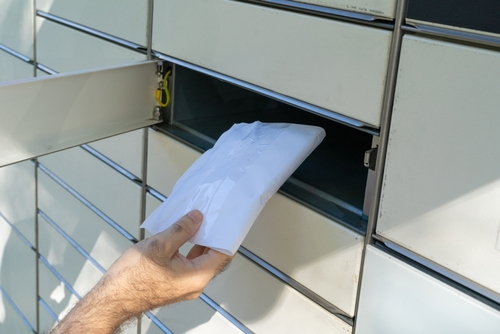
Uprooting your life from the United States can be hard, and so can shipping from the USA to Poland. Looking at piles of old belongings, your head will spin.
Do you drag your sturdy oak desk across the ocean? Will your American SUV even squeeze through those smaller urban Polish roads and lanes?
Polish apartments shrink your world compared to roomy American houses. Walk-in closets and two-car garages vanish. In Poland, even the biggest apartment feels tight.
Less stuff means more space and cheaper shipping, which means you have to make smart decisions. Some households that move internationally use the Rule of Three. If they hadn’t touched something in three months, it stayed behind.
For starters, anything that only plugs into a U.S. outlet got the boot. Flimsy furniture stood no chance against that long sea journey.
Thinking in this way helps you stop considering the process as shipping your old life and treating it as a fresh start. Arriving with only what your family truly needs can cut your stress in half.
The Voltage Trap and the Frequency Dilemma
When shipping from the USA to Poland, some individuals and families pack their fancy espresso machines for their new life in Warsaw. They can’t leave it behind. They even purchase a huge 15-pound electrical transformer, thinking that would solve everything.
Disaster strikes because they forget about one tiny number: the frequency. While the United States runs at 60Hz electricity, Europe runs at 50Hz. That prized espresso machine will run slow and your water will stay lukewarm. In fact, the pump can break in just a few months.
Many gadgets just aren’t made for that kind of leap, although your laptop or phone will probably survive any plug. Small print often shows 110v-240v, which is good.
But anything that heats up or spins with real power tells a different story. Think of blenders, vacuums, or mixers. These machines burn out fast if the numbers don’t match.
It’s nearly impossible to lug a transformer everywhere you go, and not worth it for years on end. It makes more sense to sell your heavy American gear and pick up new appliances in Europe with the right specs for the outlets.
Your coffee will taste better, your mornings will run smoother, and your kitchen will thank you.
“Europe's electrical system is very different from that in the US,” according to EcoFlow. “The voltage, frequency, and plug shapes are not the same. This happened because they developed their systems separately.”
While the United States operates on a standard 110V power grid, the majority of European nations utilize a higher voltage range of 220V to 240V. This discrepancy — where European electrical pressure is essentially double that of the United States — is rooted in historical development. Because the American power infrastructure was a global pioneer, it was built around the technical requirements of early incandescent light bulbs, which performed optimally at 110V.
“When Europe built its power grids later, technology was better,” the article adds. “European engineers saw that 220V was more efficient. Higher voltage can send the same power with less electric current. Less current meant they could use thinner, cheaper copper wires. This saved a lot of money as they built power lines across the continent. Europe started with 120V but chose to change. The US did not change. Too many American homes already had 110V appliances, and it would have cost too much to replace them all.”
Your Furniture Calculation When Shipping From the USA to Poland
Think hard before packing your furniture for shipping from the USA to Poland.
Pricey solid wood items can be tough to replace in the European Union, with American oak or cherry pieces often having better quality for similar money than what's sold in Poland. Cheap medium density fiberboard (MDF) or flat-pack furniture doesn’t travel well.
Vibration and dampness from an ocean crossing ruin those boards, making them swell or split. If you built it with a hex key, don’t waste money shipping it.
Many households buy new stuff from IKEA or Agata Meble once they arrive in Warsaw. You'll probably pay less than half of what it costs to bring your old pieces over the Atlantic.
The Decision Matrix: A Guide for Movers
Deciding what to ship or sell can cause stress, with American expats often facing tricky choices about luggage limits. Clothes tend to take up too much room, and kitchen gadgets may not work overseas.
Kids’ toys often feel essential but clutter fast. Sentimental items tug at the heart, and books stack up in days. Some sports gear is nearly impossible to replace.
Try to list what matters most for daily life. Set aside space for family memories, but let go of duplicates. Double-check electronics for voltage differences.
You might find that less really is more:
|
The “Pack It” List |
The “Trash/Sell” List |
Pro Tip |
|
|
Kitchen |
Cast iron pans, professional-grade knives, high-quality Pyrex, and 220v-compatible Vitamix blenders. |
Toasters, microwaves, refrigerators, and any 110v-only small appliances. |
American refrigerators are often too deep for Polish kitchens, and the plumbing for ice makers uses imperial threads that are incompatible with Polish metric fittings. |
|
Bedroom |
Family heirlooms, decorative pillows, and high-thread-count Pima cotton linens. |
Mattresses, box springs, and oversized Queen/King sheet sets. |
A U.S. "King" mattress won't fit a standard Polish "180x200cm" frame. You’ll be forced to import sheets from the U.S. forever or deal with awkward fabric bunches. |
|
Living Room |
Solid wood bookshelves, antiques, original art, and high-quality leather sofas. |
Particle-board shelves, massive oversized sectionals, and heavy MDF entertainment centers. |
Polish apartments often feature narrow stairwells and tiny elevators. If your sofa doesn't come apart, it might spend its first month in Poland sitting on your sidewalk. |
|
Electronics |
Unlocked iPhones, Laptops, DSLR cameras, and Kindle e-readers. |
Desktop PCs with fixed 110v power supplies and most American-market TV sets. |
Most US TVs are built for ATSC signals, whereas Poland uses DVB-T2. Without a specialized tuner box, your expensive 4K screen is just a very large, heavy monitor. |
|
Garage |
High-end carbon fiber bicycles (Trek/Specialized) and non-powered hand tools. |
Gasoline-powered lawnmowers, corded power drills, and flammable chemical storage. |
Even a tiny trace of gasoline in a mower can lead to a "Hazardous Materials" surcharge at the port, which can cost more than the mower itself. |
The Journey of Your Belongings When Shipping From the USA to Poland
Figuring out how to ship from the USA to Poland boils down to speed, safety, and cost. You’ll have to pick between FCL and LCL shipping.
Full Container Load means the entire 20 or 40-foot container is just for you. This works best if you’re packing up an entire home or shipping a car. The company brings the container to your door in the states, seals it, and that seal stays put until it gets checked in Poland. No waiting for others and no mixing your boxes; just quick travel.
If you’re traveling light, the LCL option might suit you better. This is perfect for people with a few bikes and some boxes of memories. You only pay for the space your stuff takes up, and your things get shrink-wrapped with boxes from other families.
The price drops, but nobody said it’d be quick. Containers wait to fill up before heading out, so patience is required. Extra handling happens on both sides of the ocean.
“Choosing between a 20ft and a 40ft container comes down to your specific requirements,” states Polo4pl. “The 20ft container is a great option for those with space constraints or a limited budget. It’s perfect for smaller shipments and when storage space is limited. On the other hand, the 40ft container provides significantly more room, making it ideal for large cargo, additional storage needs, or creative uses like transforming it into a living space. Typically, 20ft containers are more budget-friendly. Just evaluate your needs, space, and budget and you can make a sound decision.”
Americans might feel tripped up by what happens when their stuff actually lands. Most shipments get checked in big hubs like Warsaw or Gdynia. Standard prices usually get your things to a warehouse, not your doorstep.
Be clear about what kind of delivery you expect. “Curbside” means your belongings land on the sidewalk. Living on the fourth floor with no elevator? Suddenly, that extra carrying service feels essential.
Always check if movers will place items inside your home and help reassemble larger pieces, or if you’ll be left dragging boxes up the stairs on your own.
‘Mienie Przesiedleńcze’ is the Holy Grail of Customs
If you remember anything from this guide on shipping from the USA to Poland, remember “Mienie Przesiedleńcze.” This legal status protects your belongings from huge import taxes.
Without it, Polish authorities treat your old furniture and your used car as imports. Customs slaps a 10 percent duty and then a steep 23 percent VAT on top, calculated from the total value with shipping.
To get this exemption, Polish customs wants proof you’re genuinely moving back. Expect to share tax returns or utility bills from the states for at least a year, because they’ll need to see the items weren’t just bought for resale. You need to prove you owned them and used them for at least six months before shipping.
This keeps people from buying a flashy new car in Florida, sending it over, and then dodging European taxes. Customs officers know how to spot something new. Ten pairs of sneakers still in boxes make them suspicious.
A lot of people ship American cars to Poland, with big SUVs or rare classics often topping the list. If you want to bring yours, there’s something called “Homologacja.” This means getting your vehicle in line with European safety rules. American cars aren’t made for Polish roads or inspections, so without changes, you’ll fail your tech inspection.
Lighting gets most cars in trouble right away. Unlike red brake signals in the United States, Poland wants amber signals, running alone on their own wire. Rear fog lights matter too: Poland requires one, but American cars almost never have them. Headlights need work as well. American beams are symmetrical, but Poland needs asymmetric beams for better roadside lighting, which are also less-blinding to others.
Speedometers can be easy or tricky. Digital ones often switch to kilometers in the menu, yet older ones have to be replaced or reworked to show kilometers per hour.
The Packing Phase, Stress Management, and Shipping From the USA to Poland
It’s easy to overlook small details while chasing down the big ones when you’re shipping from the USA to Poland.
Most people see their international move as a single day, when it’s really split in two. The first part covers what you’ll need right away. The second involves everything else stuck in shipping for weeks.
Think of your suitcase as your lifeline for three months. Stick those suits in there if you might have interviews lined up. Poland’s weather swings from one extreme to another, so pack for sun and snow.
Never toss original documents in the shipping container. Carry birth certificates and marriage records with you, along with proof you can stay in Poland.
Customs expects a good list of what you’re bringing. If you write “kitchen stuff” on your box, expect it to get opened. If you write out every spoon, you’ll pull your hair out. Aim somewhere in between, with grouped labels like “Kitchenware: Pots, Pans, Utensils.”
Make sure every box has a number, and keep a spreadsheet that matches boxes with their contents. You’ll look organized if customs asks for your expensive electronics because you’ll know exactly which box to open.
Remember that your stuff will cross an ocean in a huge metal container. Inside, it gets hot, then cold again, over and over. Sometimes water forms on the roof and drips on your couch. Prepare for a surprise or two.
To protect your belongings:
- Wrap everything. Use industrial-strength shrink wrap for all fabric furniture and mattresses.
- Use dry bags. Toss large "dry bags" (industrial desiccant) into the container to absorb moisture.
- Double-box electronics. If you are shipping high-end monitors or audio equipment, use the original manufacturer's boxes if possible, and then place those boxes inside a larger, padded crate.
Don’t Forget to Prepare for Driving
Driving in Poland feels nothing like driving back in the states. Streets twist through the cities, barely wide enough for two cars. Local road rules often feel like a riddle.
The whole thing can leave your nerves jangling. Still, sorting out a Polish driver’s license turns into a must for anyone settling down long-term.
If you’re six months into an international permit, that clock runs down fast. Switching to a local license pays off in the end. You’ll need to learn local traffic laws, and studying for the test forces you to dig beyond surface knowledge.
Start at the doctor’s office. Every applicant needs medical clearance. You’ll answer basic health questions, maybe read an eye chart.
Next up is city hall. March in with the right paperwork — photos, the medical note, your Polish identification, and a copy of your U.S. license. They’ll issue you a special number, which is your ticket to scheduling the written exam. The good news for Americans? You can usually skip the road test entirely.
The only thing standing in your way is a test exam, and you shouldn’t underestimate it. Expect trickier questions than any department motor vehicle quiz back home. Thankfully, you can take the exam in English, and study guides are easy to pick up online.
They might make you hand over your original U.S. license, but it all depends. If that license doubles as your main ID, that stings. Officially, city hall mails it off to the U.S. Embassy. Usually, a couple weeks later, your license lands back at your Polish address, courtesy of the embassy.
Sometimes people end up with a license marked “automatic only.” This hasn’t happened to everyone though, so your experience can vary. The first license usually lasts five years. After that, another round of paperwork and a fresh medical check will unlock a 15-year license.
“If you’re currently living in Poland and you’d like to drive a car, you can do so for 6 months on an international driver’s license, or you can simply get a Polish license,” according to Polonization. “I wrote simply, but it’s not that simple, unfortunately. If you’re American, check out what the US Embassy says about it.”
Dealing with Polish red tape feels like a slog. Staying on the right side of the law matters, though.
Frequently Asked Questions
Frequently asked questions for shipping from the USA to Poland:
- Can I ship my pets in the same container as my furniture? No, this is strictly prohibited for both safety and legal reasons. Pets must travel via specialized air freight or on your flight in the cabin/cargo hold, accompanied by an European Union Health Certificate and a USDA-endorsed microchip record.
- Should I pack my own boxes or pay for professional packing? This depends on your insurance needs. If you want all-risk insurance coverage, most maritime insurers require the carrier’s professional staff to pack and inventory the boxes. If you pack them yourself (labeled “Packed by Owner” or PBO), the insurance usually only covers a total loss of the entire container.
- Is it true I can't sell my things for a year? Yes. To prevent abuse of the duty-free exemption, you are legally prohibited from selling, renting, or even lending your relocated assets for 12 months after they clear customs. If you are caught selling your duty-free imported car within that first year, the government will demand the back-payment of all original duties and taxes.
- How do I handle my American king-size bed? Our advice is to sell the mattress in the US and only bring the frame if you absolutely love it. American King dimensions are unique; finding a high-quality mattress or even fitted sheets that fit a U.S. King in Poland is an expensive and frustrating exercise.
- What happens if my shipment is inspected? Customs inspections are common. If your container is flagged for an x-ray or a “physical exam,” there are often additional port fees associated with the delay. Having a detailed, numbered inventory list in both English and Polish will significantly speed up this process and reduce the likelihood of a full physical offload.
When your container shows up and you step into your place in Poland, a strange truth hits. The stuff you left behind matters as much as what you kept. Moving gives you that rare freedom to let go of old junk.
Hold onto the skillet your grandmother gave you. Keep the blanket someone knitted just for you. Save the sturdy desk that’s lasted decades, but skip the toaster that won’t work here.
Poland has old buildings, smart design, and plenty of ways to settle in. Leave room in your new space for fresh stories, and let your next chapter blossom.
Polonez America
Polonez America specializes in international shipments from the United States to 43 European countries, including shipping from the USA to Poland. We offer parcel shipment via ocean or air, vehicle shipment, commercial LCL (Less than Container Load) and FCL (Full Container Load) shipping.
Our comprehensive range of services means customers can initiate package or commercial shipments from any of Polonez's authorized shipping outlets within the United States, which are then transported to our headquarters for sorting. Customers can send packages from authorized shipping outlets in the United States or by sending them via UPS, FedEx, or U.S. Postal Service to Polonez America's headquarters in Port Reading, NJ.
Polonez America is your expert in the resettlement process, collaborating with European partners for parcel services, customs, and delivery within Poland and other countries. We earn client trust through integrity and professionalism by delivering the highest quality service at the most competitive price.


Recommended to you

Tips
Jul 9, 2026
The Ultimate Guide to Packing and Shipping Furniture
Relocating abroad is an exciting experience with a certain amount of stress. You will start a new life there, but the practical part can be demanding.
News
Jul 6, 2026
New regulations, same rules: private packages from the U.S. to the EU remain unchanged
In recent days, there has been a lot of information circulating about new customs rules for shipments coming from outside the European Union. As a result, many customers have started to wonder whether sending packages from the USA to Poland and other EU countries is still possible and cost-effective.
News
Jun 29, 2026
TOP 10 Tips for Easy Gifts’ Shipping to Europe from the USA
Give the Perfect Gift, Without the Headache